
 Image 1 of 2
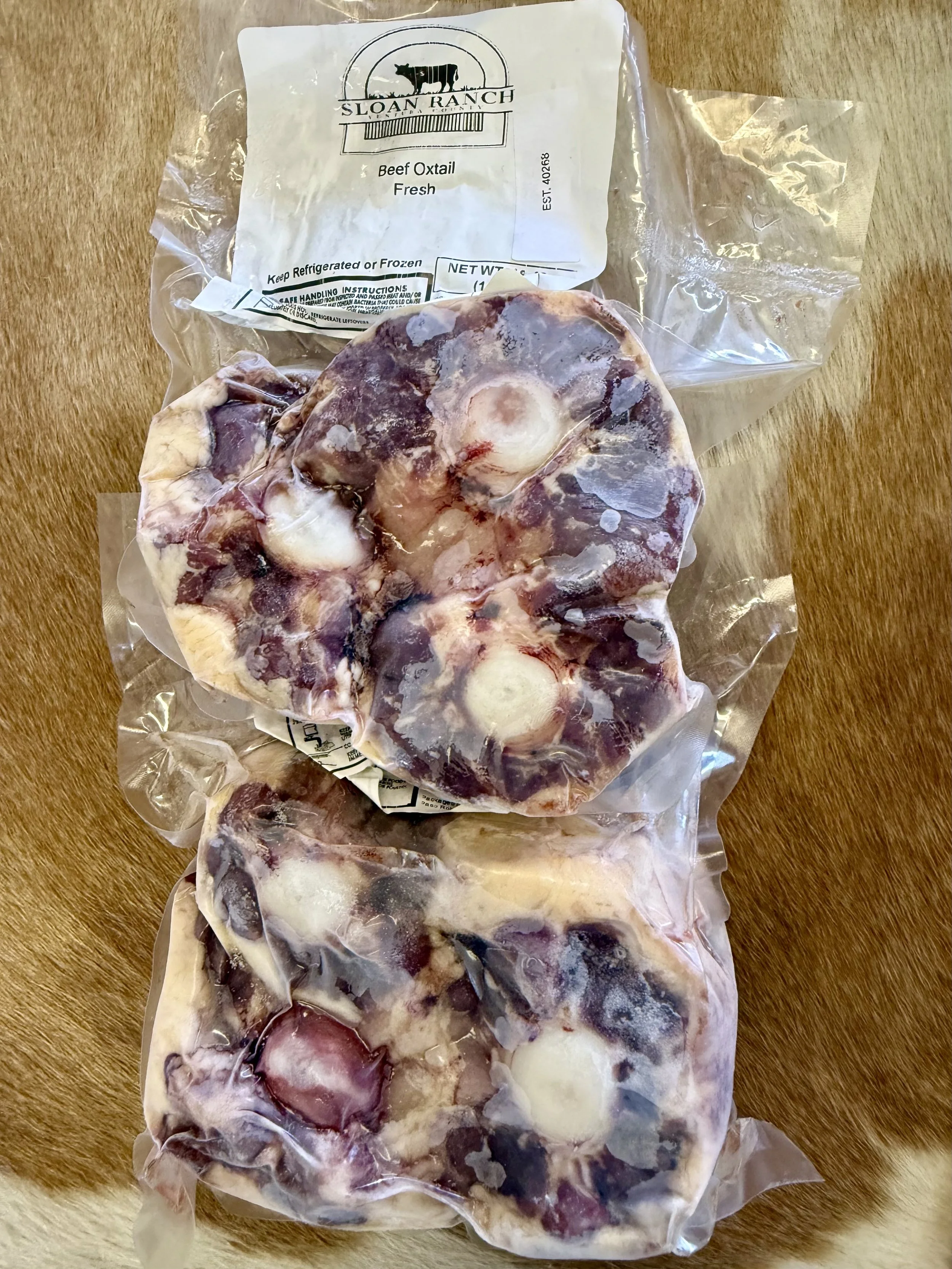 Image 2 of 2
2+ lbs per order
Oxtail is the tail of cattle, sold whole or cut into cross-sectional segments that include bone, marrow, and surrounding meat. It has a rich, gelatinous texture because of its high collagen content, which breaks down during long, slow cooking into a glossy, silky mouthfeel. Flavor is deeply beefy and slightly sweet, intensified by braising, stewing, or slow roasting.
Common uses
Braises and stews: Classic for oxtail stew and braised oxtail, often cooked with aromatics, wine or stock, and vegetables until the meat is tender and falling from the bone.
Soups and broths: Adds body and depth to soups, pho, and consommés; long simmering extracts gelatin and marrow for a flavorful, nourishing broth.
Ragu and sauces: Shredded oxtail meat can be incorporated into pasta sauces or served over polenta or rice.
Cooking considerations
Long, moist heat is best: Low-and-slow methods (braising, pressure cooking, or long simmer) convert connective tissue to gelatin and render the meat tender.
Browning first improves flavor: Searing oxtail pieces before braising develops Maillard flavors.
Skimming and degreasing: Oxtail releases fat and marrow; skimming excess fat from the surface or chilling the finished dish to remove congealed fat yields a cleaner finish.
Bone-in advantage: Bones add flavor and body; marrow contributes richness to broths and sauces.
Nutrition
High in protein and collagen; contains fat and cholesterol. The gelatin contributes amino acids and a satiating texture. Nutrient profile varies with trimming and cooking method.
Culinary traditions
Found in many cuisines: Caribbean oxtail stew, British oxtail soup, Korean oxtail soup (kkori gomtang), and various European and Latin American braised preparations. Each tradition highlights slow cooking and robust seasoning.