
 Image 1 of 4
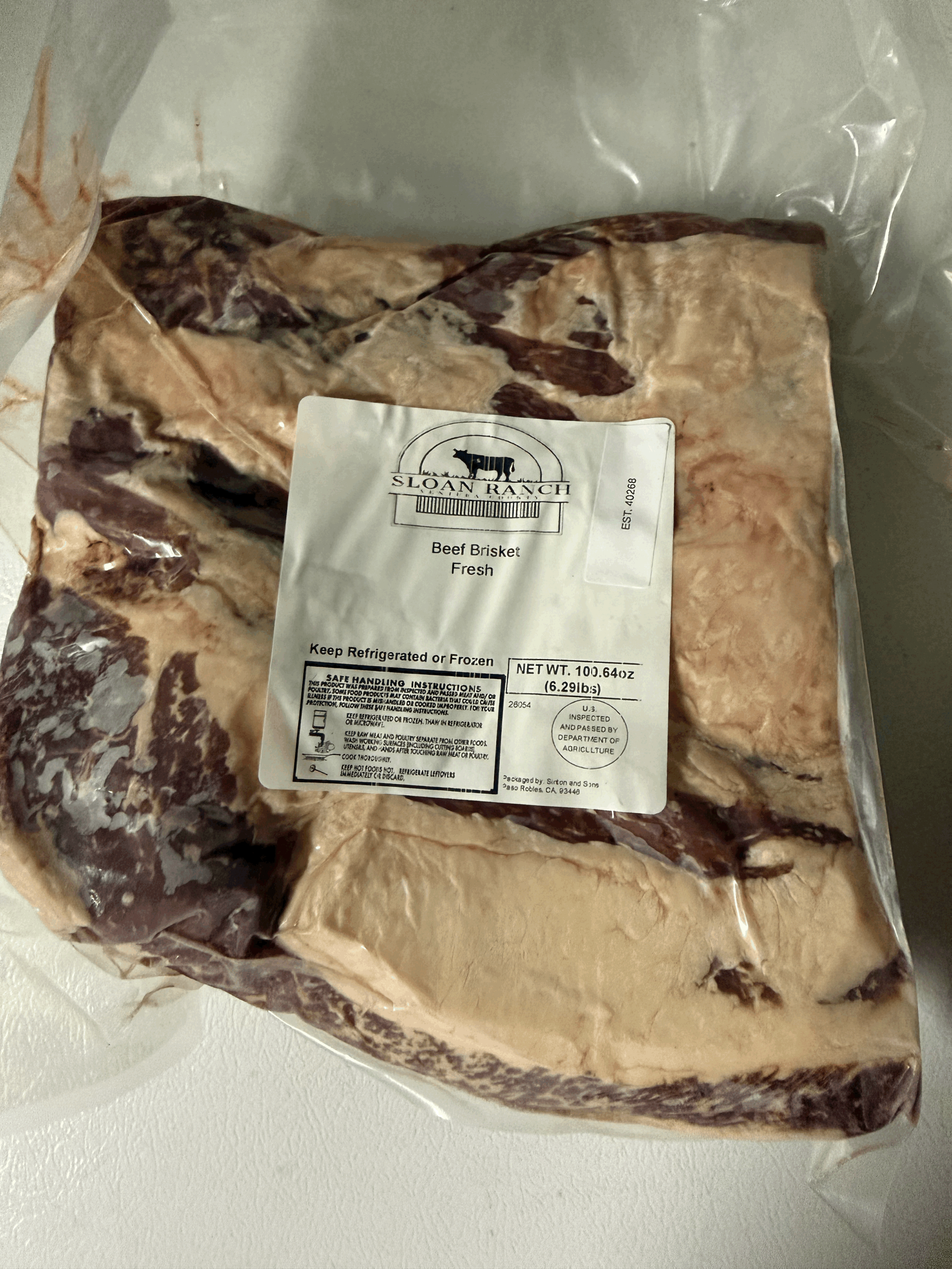 Image 2 of 4
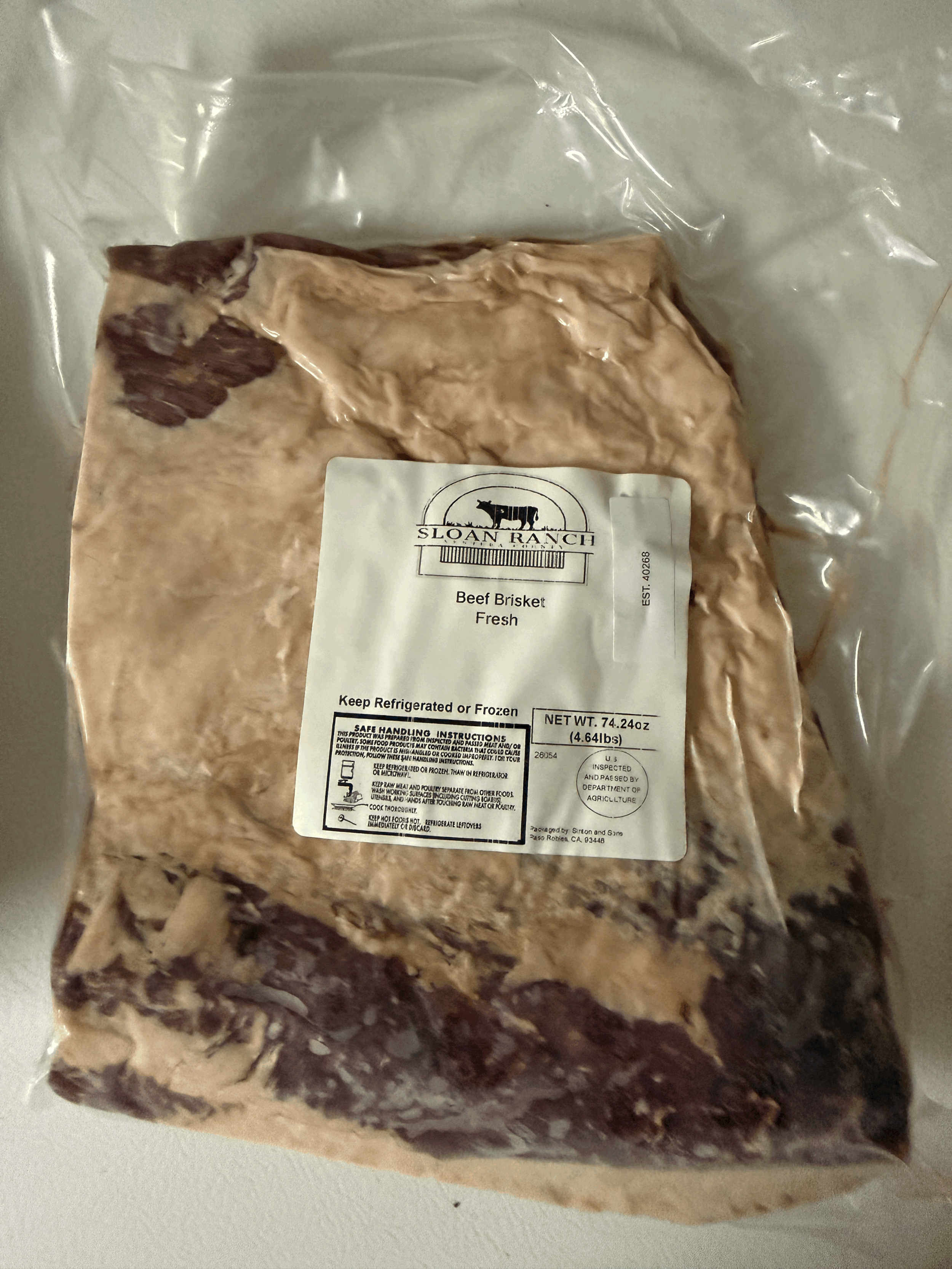 Image 3 of 4
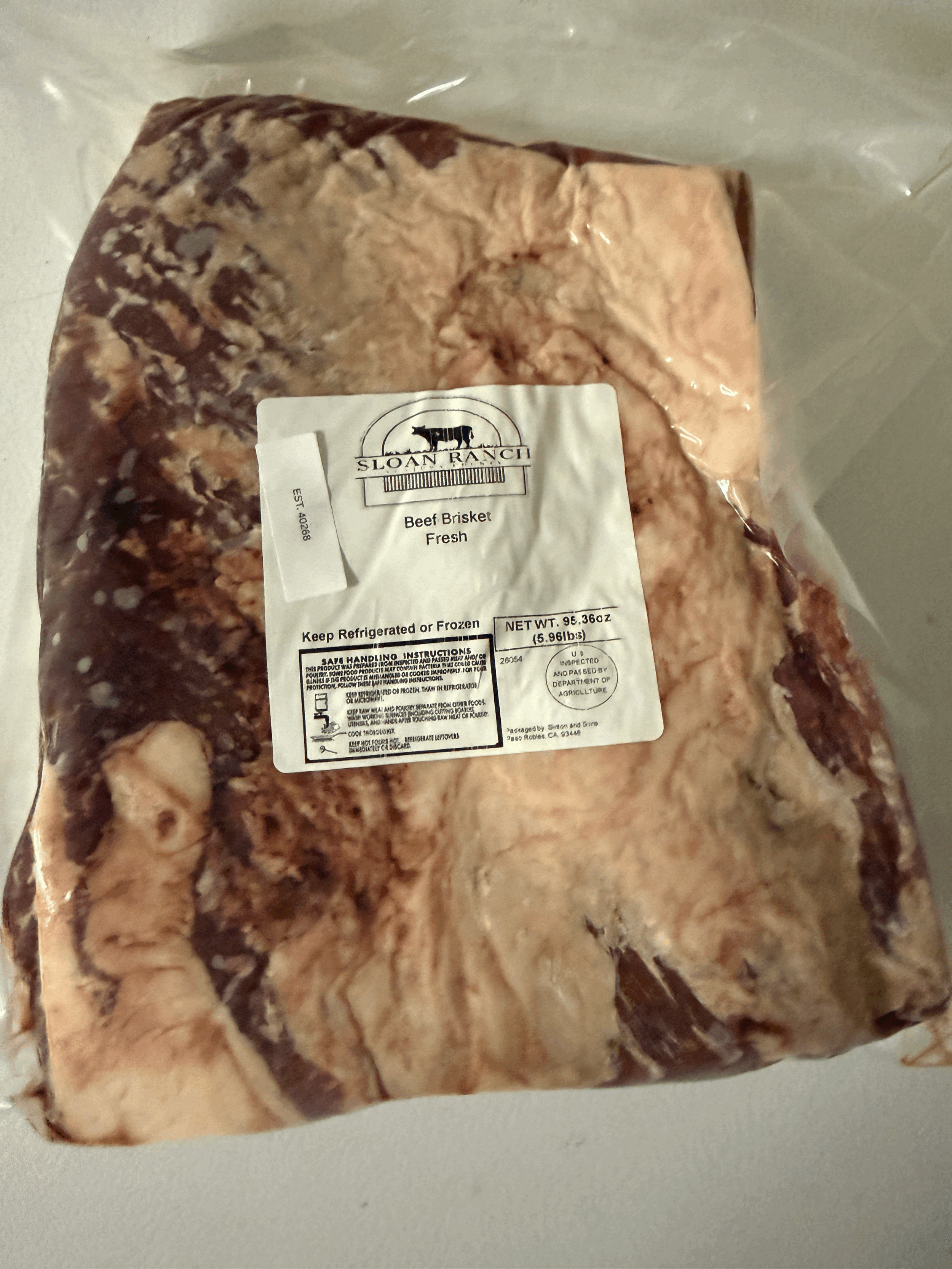 Image 4 of 4
Beef Brisket
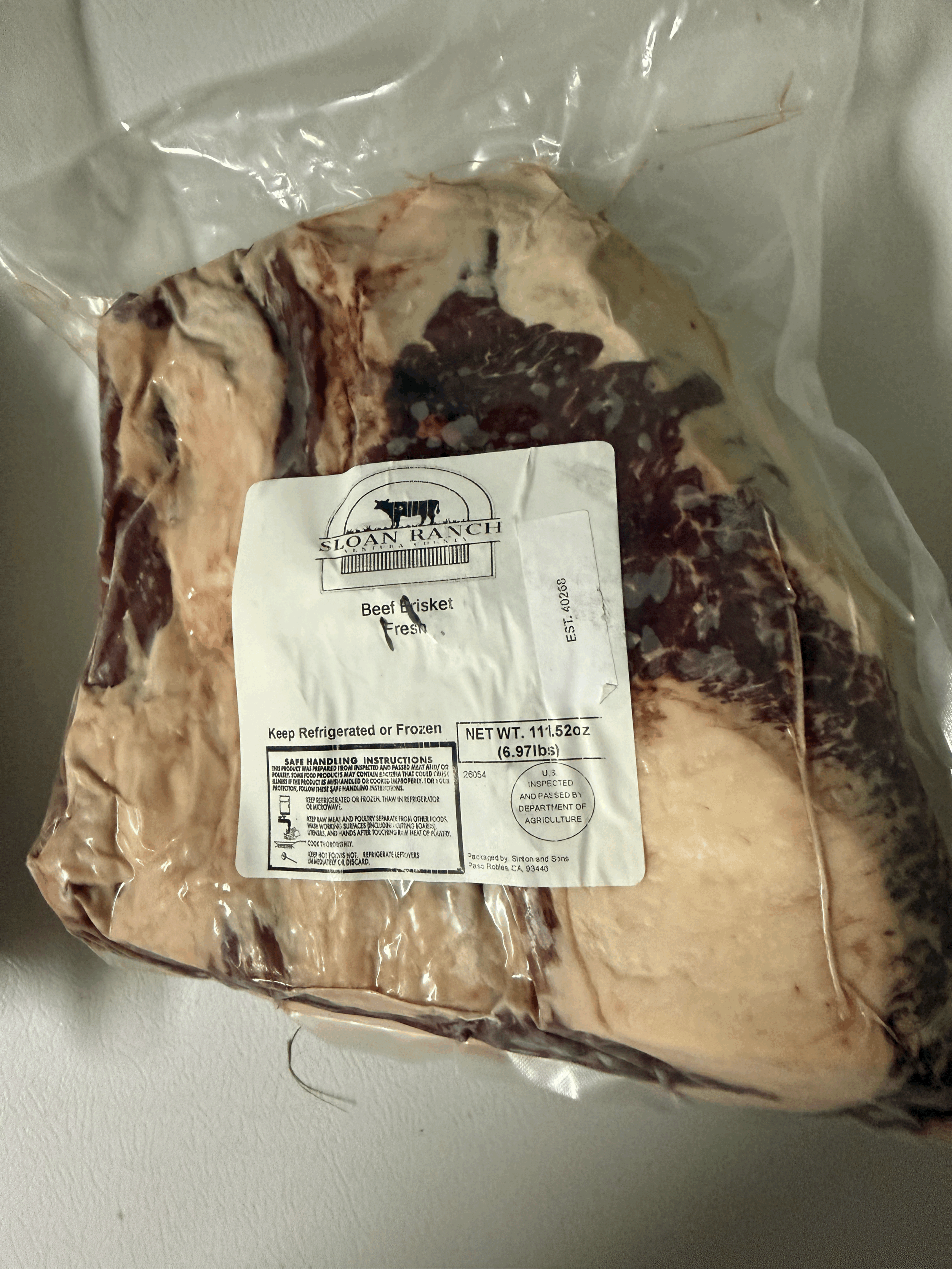
Beef brisket is a cut from the lower chest (pectorals) of cattle, prized for its rich, beefy flavor and substantial connective tissue. It is a large, relatively tough primal cut composed of two main muscles: the flat (leaner, uniform layer) and the point (fattier, more marbled). Because brisket muscles do a lot of work, they contain collagen and connective tissue that require low-and-slow cooking to break down, resulting in tender, juicy meat.
Key characteristics
Flavor: Deep, beef-forward taste with pronounced savory notes; fat and connective tissue contribute to mouthfeel and richness.
Texture: Firm and fibrous when undercooked; becomes tender, moist, and pull-apart soft after long, slow cooking methods. The point yields more succulent, shreddable meat; the flat slices neatly for presentation.
Fat and marbling: Variable by grade and cut—point end has more intramuscular fat and bark development when smoked; flat is leaner and slices more consistently.
Size and weight: Whole briskets (packer briskets) typically weigh 8–20 pounds; size influences cooking time and heat penetration.
Culinary uses: Classic for slow smoking, barbecue, braising, corned beef, pastrami, and pot roast. Sliced against the grain for presentations like brisket sandwiches or served shredded for tacos and nachos.
Cooking methods: Low-and-slow smoking or barbecuing, oven braising, sous-vide followed by sear, or pressure cooking for faster results. Proper resting after cooking is essential to redistribute juices.
Brisket rewards patience and technique: when cooked correctly, it delivers intense beef flavor, a satisfying mouthfeel from rendered fat and gelatinized collagen, and versatility across casual and refined dishes.
Beef Brisket
Beef brisket is a cut from the lower chest (pectorals) of cattle, prized for its rich, beefy flavor and substantial connective tissue. It is a large, relatively tough primal cut composed of two main muscles: the flat (leaner, uniform layer) and the point (fattier, more marbled). Because brisket muscles do a lot of work, they contain collagen and connective tissue that require low-and-slow cooking to break down, resulting in tender, juicy meat.
Key characteristics
Flavor: Deep, beef-forward taste with pronounced savory notes; fat and connective tissue contribute to mouthfeel and richness.
Texture: Firm and fibrous when undercooked; becomes tender, moist, and pull-apart soft after long, slow cooking methods. The point yields more succulent, shreddable meat; the flat slices neatly for presentation.
Fat and marbling: Variable by grade and cut—point end has more intramuscular fat and bark development when smoked; flat is leaner and slices more consistently.
Size and weight: Whole briskets (packer briskets) typically weigh 8–20 pounds; size influences cooking time and heat penetration.
Culinary uses: Classic for slow smoking, barbecue, braising, corned beef, pastrami, and pot roast. Sliced against the grain for presentations like brisket sandwiches or served shredded for tacos and nachos.
Cooking methods: Low-and-slow smoking or barbecuing, oven braising, sous-vide followed by sear, or pressure cooking for faster results. Proper resting after cooking is essential to redistribute juices.
Brisket rewards patience and technique: when cooked correctly, it delivers intense beef flavor, a satisfying mouthfeel from rendered fat and gelatinized collagen, and versatility across casual and refined dishes.